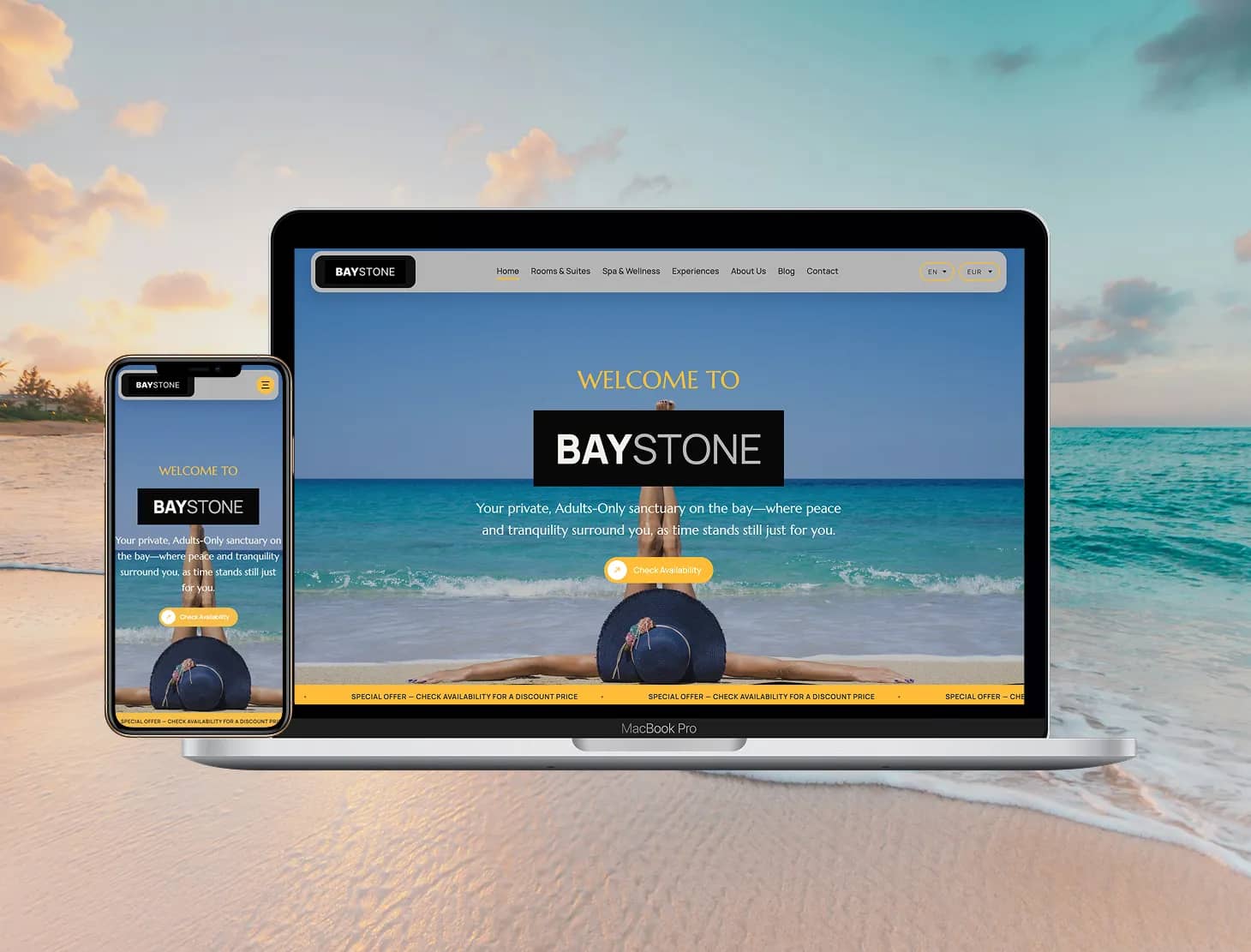
Bookings in one tool, clients in another, follow-ups in a spreadsheet, and the same information typed three times. When a business grows, that's usually where time disappears. A web application brings it all into one system, built around how your team actually works.
I build custom CRMs, booking platforms and portals for businesses in Mauritius and abroad: software your team and your customers log into, not just a website that presents your services.
Signs you need an application, not a website
- Your team re-enters the same data in several places.
- Customers can't book, pay or follow their request without calling you.
- Plugins and off-the-shelf tools no longer fit your rules.
- Important dates, such as renewals, deadlines or capacity limits, depend on someone remembering them.
What I've built, and what it solved
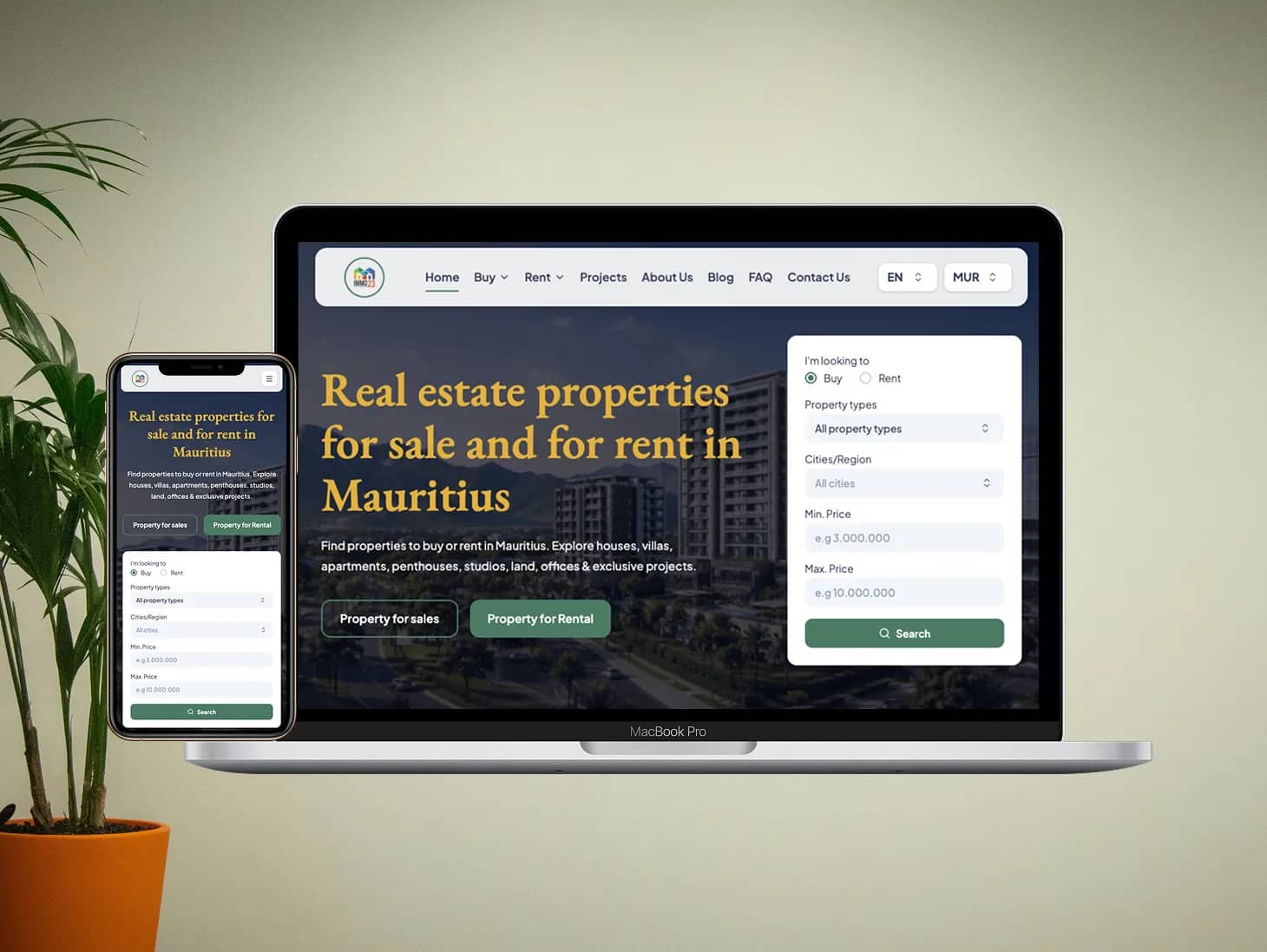
- Real estate CRMfor IMMO23, properties, agents, owners and rentals in one back-office, listings sent to external portals from one place, and around 5,000 listings migrated from WordPress.
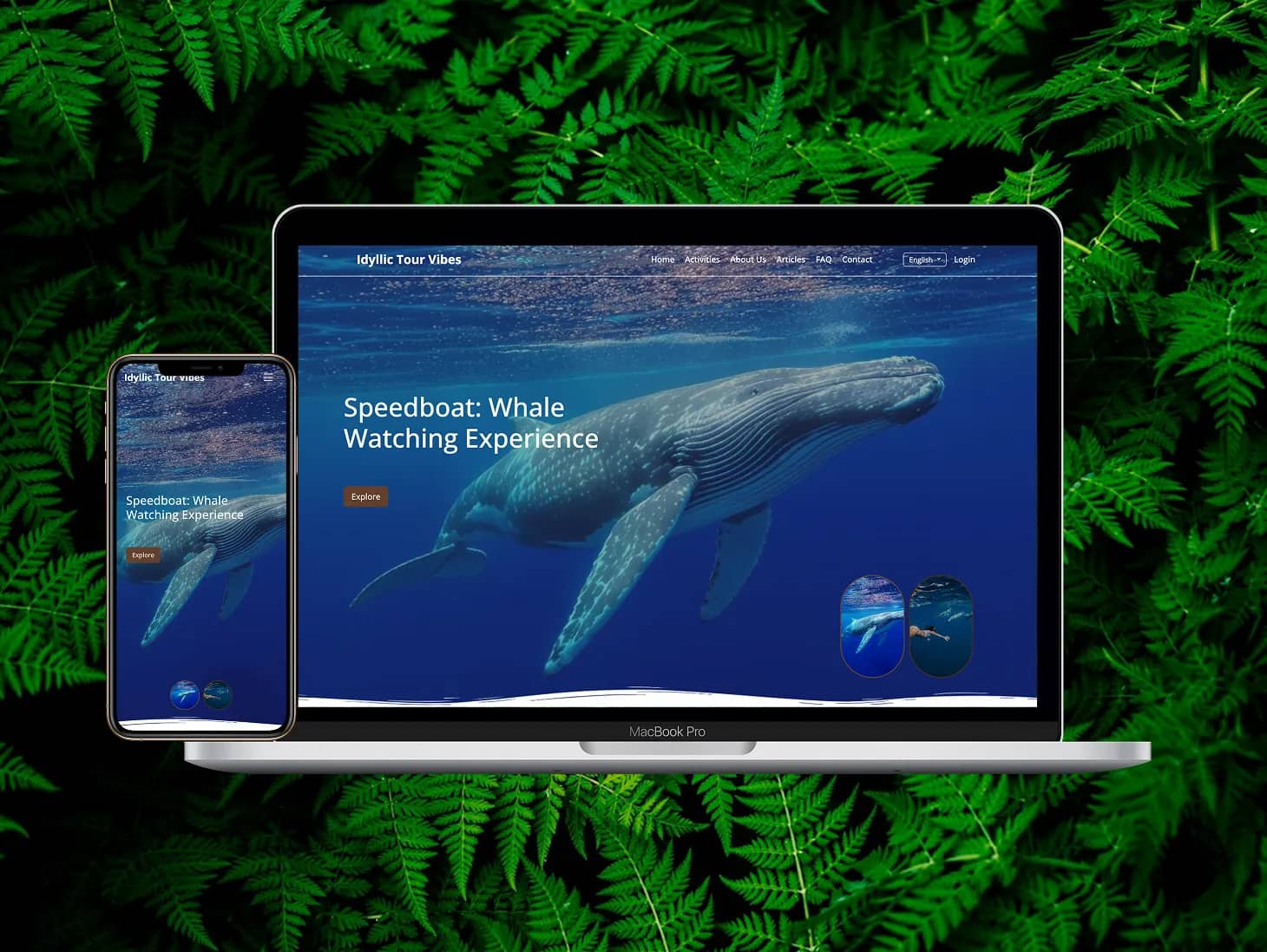
- Booking and paymentfor Idyllic Tour Vibes, calendar booking with daily capacity per activity, so overbooking is impossible, and card payment built into the site.
- Multi-user platformsfor HireMe, separate dashboards for job seekers, employers and admins, structured candidate profiles and paid employer packages.
- Automationreminders, scheduled tasks, emails and currency updates running in the background, so nobody has to think about them.
The right stack for each project
I don't start from a favourite tool. An application with a heavy back-office, roles and business rules is usually built with Laravel. A highly interactive product without a back-office often suits Next.js. We decide the stack together once the needs are clear, because the right choice depends on what the software has to do.
How a project runs
- 01
Map how you work today
Who uses the system, what information they handle, and where time is lost. This is where we find what the first version must solve.
- 02
Define a first version
The core workflows, screens and roles, separated from "nice to have later". You get a clear scope and a quote based on it.
- 03
Build in stages and move your data
You see the application at each stage and test it on real cases. Existing data is migrated and checked, so your team starts with everything in place.
- 04
Launch and support
I deploy the application and show your team how to use it. The first month of maintenance is included; after that, a monthly plan keeps it running.
Have a process that takes too much time? Describe how your team works today, and I'll tell you what an application could change.