If you run a business in 2026, you’ve probably heard some version of this:
“SEO is dead.”
Or: “I’ll just use Instagram / TikTok / Facebook ads.”
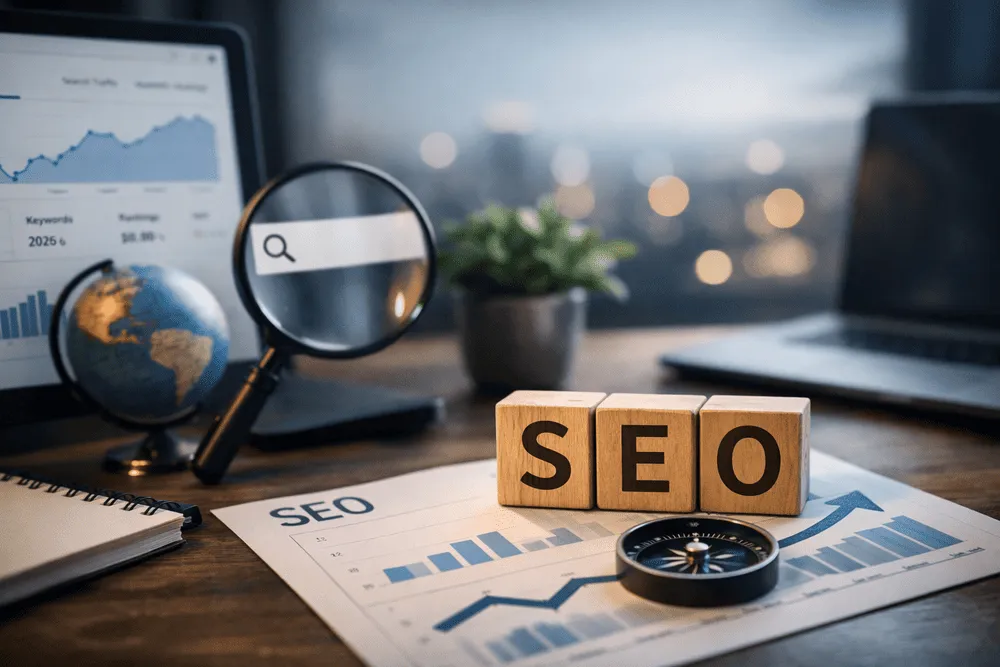
The truth is simpler: SEO isn’t dead — it’s just more competitive and more technical. And that’s exactly why it matters.
Social platforms are great for visibility, but they’re not a stable foundation. Algorithms change, reach drops, ad costs go up, and a viral post doesn’t always turn into paying customers. SEO, on the other hand, focuses on something more valuable: being found when people already want what you offer.
1) SEO brings intent — not just attention
Someone scrolling social media is usually there to relax. Even if they like your post, they might not be ready to buy.
But someone searching:
- “best wedding photographer mauritius”
- “accountant for small business mauritius”
- “restaurant near me”
- “web developer mauritius price”
…is already in problem-solving mode.
That’s high intent. SEO helps your business show up at the exact moment someone is ready to take action.
2) SEO is a compounding asset
Ads are like renting: you stop paying, you disappear.
SEO is like building: you improve your pages, speed, content, and trust, and it keeps working for months or years. Not forever without maintenance—but it continues to generate leads with much lower cost over time.
If you publish a useful page today (like “How much does a website cost in Mauritius?”), it can still bring search traffic next year—while an ad campaign stops the second your budget pauses.
3) In 2026, Google doesn’t rank “websites” — it ranks experiences
Ranking today isn’t just about keywords. Search engines evaluate whether your site feels reliable and helpful. That includes:
- Speed and performance (slow sites lose rankings and customers)
- Mobile experience (most users in Mauritius browse on mobile)
- Clear structure (headings, sections, easy navigation)
- Trust signals (reviews, contact details, policies, consistent brand)
- Useful content (answers real questions, not fluff)
- Security (HTTPS is expected; unsafe sites lose trust fast)
A website that “looks nice” but loads slowly or has messy pages will struggle—even if you post on social daily.
4) SEO protects you from algorithm changes on social platforms
Social reach changes all the time. One month your posts do well, next month everything drops.
SEO isn’t perfect, but it’s more stable. If your site is well built and helpful, you’re not depending on one app’s algorithm to survive.
For service businesses especially (restaurants, clinics, real estate, agencies, freelancers), search traffic is one of the most predictable sources of leads.
5) Local SEO is a cheat code for Mauritius
If you’re a business in Mauritius, local SEO can bring fast wins because many businesses still don’t optimize properly.
Local SEO means:
- You show up on Google Maps
- People find you when searching “near me”
- Your business shows for location terms like “Port Louis”, “Curepipe”, “Quatre Bornes”, etc.
Key pieces:
- Google Business Profile (properly filled)
- Reviews (real and consistent)
- Correct address / phone number across the web
- Location pages (if relevant)
- Fast mobile site
A lot of businesses lose easy customers because their Google Business Profile is incomplete or outdated.
6) SEO improves conversion too (not just rankings)
Even if you don’t care about ranking, SEO best practices often improve sales:
- clear headings → people understand faster
- better page structure → less confusion
- faster speed → more form submissions
- better content → more trust
- better internal linking → users explore more
- optimized landing pages → higher conversion
So SEO isn’t only a “traffic” thing. It’s a “make your website work” thing.
7) What matters most for SEO in 2026
SEO has many parts, but these are the big ones:
A) Technical SEO (foundation)
- fast loading
- clean code and structure
- correct indexing setup
- proper sitemaps
- no duplicated pages / broken links
- schema markup (helps Google understand your page)
B) Content that answers real questions
- service pages that explain clearly
- FAQ sections for common objections
- blogs that target real searches (not random topics)
C) Authority & trust
- reviews and testimonials
- backlinks (other sites mentioning you)
- strong branding and consistent online presence
8) Common SEO mistakes I see (Mauritius + international)
Here are real problems that kill results:
- Website built with a template but no SEO structure
- Same content copied across pages (duplicate)
- Missing meta titles/descriptions or all pages using the same one
- Huge images making the site heavy
- Slow cheap hosting
- No clear call-to-action (people leave even if they find you)
- No tracking (no idea what’s working)
SEO fails most often because the basics weren’t done properly.
Also: avoid anyone promising “#1 ranking in 7 days.” That’s usually shortcuts that can damage your site long term.
9) SEO + social is the best combo
This is the real strategy:
- Social builds attention and community
- SEO builds consistent demand-based traffic
- Your website converts both into leads
If you only rely on social, you’re always chasing.
If you build SEO, you’re building an engine.
Conclusion
SEO matters in 2026 because people still search. They search when they need a solution, when they’re ready to buy, and when they want the best option near them. In Mauritius, local SEO is still a huge opportunity. Internationally, SEO is competitive—but it’s also one of the strongest long-term business assets you can build.
If you want your website to generate leads consistently, SEO isn’t optional—it’s part of the foundation.